If you are drawn to mountain views but still need an easy path to errands, commuting, and everyday routines, Draper’s foothill neighborhoods deserve a closer look. Life here is shaped by the edge between city convenience and open space, which is exactly why many buyers relocating within Utah or from out of state find the area so appealing. Understanding how that balance plays out day to day can help you decide whether these neighborhoods fit your lifestyle. Let’s dive in.
What Daily Life Feels Like
Draper describes itself as a place where residential living and metropolitan access coexist. In practical terms, that means you can live near trails and open space while still staying connected to major roads, transit, shopping, and employment centers. For many people, that blend is the main reason the foothills stand out.
The rhythm of daily life often feels more outdoor-oriented than in flatter parts of the valley. The setting encourages early morning walks, after-work trail runs, dog walks, and quick outings that do not require a long drive. Instead of planning recreation as a weekend-only activity, many residents can make it part of an ordinary weekday.
Outdoor Access Shapes the Routine
One of the clearest features of foothill living in Draper is how much of life can revolve around the outdoors. The city says it maintains 117 miles of scenic trails, 5,000 acres of open space, and more than 42 parks. That scale gives you options for everything from a short neighborhood walk to a longer mountain bike ride.
The city also highlights a wide range of everyday recreation, including hiking, horseback riding, dog walking, playgrounds, skate parks, splash pads, and off-leash dog areas. That matters because it shows the outdoor lifestyle is not limited to one activity or one type of resident. Whether you want a quick family outing or a more active fitness routine, the infrastructure is already part of the city.
Trails Are Part of Normal Life
In Draper’s foothill neighborhoods, trail access is often woven into the daily schedule. You may head out before work, take the dog for an evening walk, or use nearby open space as a reset after a busy day. That kind of convenience can be a major quality-of-life advantage if you value time outside.
The trail system is also actively managed. Draper allows only Class 1 e-bikes on Corner Canyon trails, and dogs are allowed on leash on the Bonneville Shoreline Trail and the trails below it. Those details may seem small, but they tell you something important: these are heavily used community spaces, and daily life works best when residents understand the rules and etiquette.
The Mountain Setting Stays Front and Center
Draper’s foothills are not just close to recreation. They are part of a broader mountain-edge setting that shapes the feel of the area. The city borders the Lone Peak Wilderness, and its open-space planning emphasizes scenic views and outdoor recreation as values worth preserving.
That commitment shows up in the lived experience. In many foothill areas, views, trailheads, and open land are not occasional perks. They are part of what defines the neighborhood identity.
Errands and Access Stay Manageable
Mountain proximity often raises a practical question: will everyday life feel isolated? In Draper, the answer is usually no. The city says it has more than 1,000 businesses, and many are within a short drive from home.
For many foothill residents, the retail corridor around 12300 South helps keep daily tasks simple. Grocery runs, dining out, and basic errands can often fit into a normal schedule without feeling like a major trip. That ease is part of why Draper appeals to buyers who want a scenic setting without giving up convenience.
Shopping and Dining Hubs Matter
Draper Peaks is one of the clearest examples of that convenience. Boyer Company says the center sits just off I-15, is anchored by major retail tenants, and includes restaurant and pad-site space. For foothill residents, that kind of nearby commercial node can make the area feel more connected and practical.
The city also notes recognizable employers and businesses in Draper, including Trader Joe’s and 1-800 Contacts. While not every resident works in town, those business anchors add to the sense that Draper supports daily life well beyond a bedroom-community role.
Commuting Is Often Part of the Equation
Draper’s location at the Point of the Mountain is a meaningful part of its appeal. The city says it is about a 30-minute drive from both the Salt Lake and Provo airports, which can be useful for professionals, relocating households, and frequent travelers. That regional position helps foothill neighborhoods feel connected rather than tucked away.
Transit also plays a larger role here than many buyers expect in a hillside setting. UTA’s TRAX Blue Line serves Draper, and UTA lists both Draper FrontRunner and TRAX station addresses in the city. Draper’s transportation planning also notes that Interstate 15 divides the city and that many residents commute elsewhere for work, so access to major transportation routes is a real part of everyday living.
Community Life Is Active, Not Urban
Draper’s foothill neighborhoods offer activity and community connection, but the atmosphere is not urban in character. You will find local events and gathering points, yet the overall feel remains more suburban and mountain-oriented. For many households, that is exactly the appeal.
The city’s event calendar includes Draper Days, with food, arts, and entertainment, along with free summer Concerts in the Park at Draper Historic Park. These events give residents regular ways to engage with the community without changing the quieter day-to-day tone of the foothill areas.
Housing Has a Distinct Foothill Character
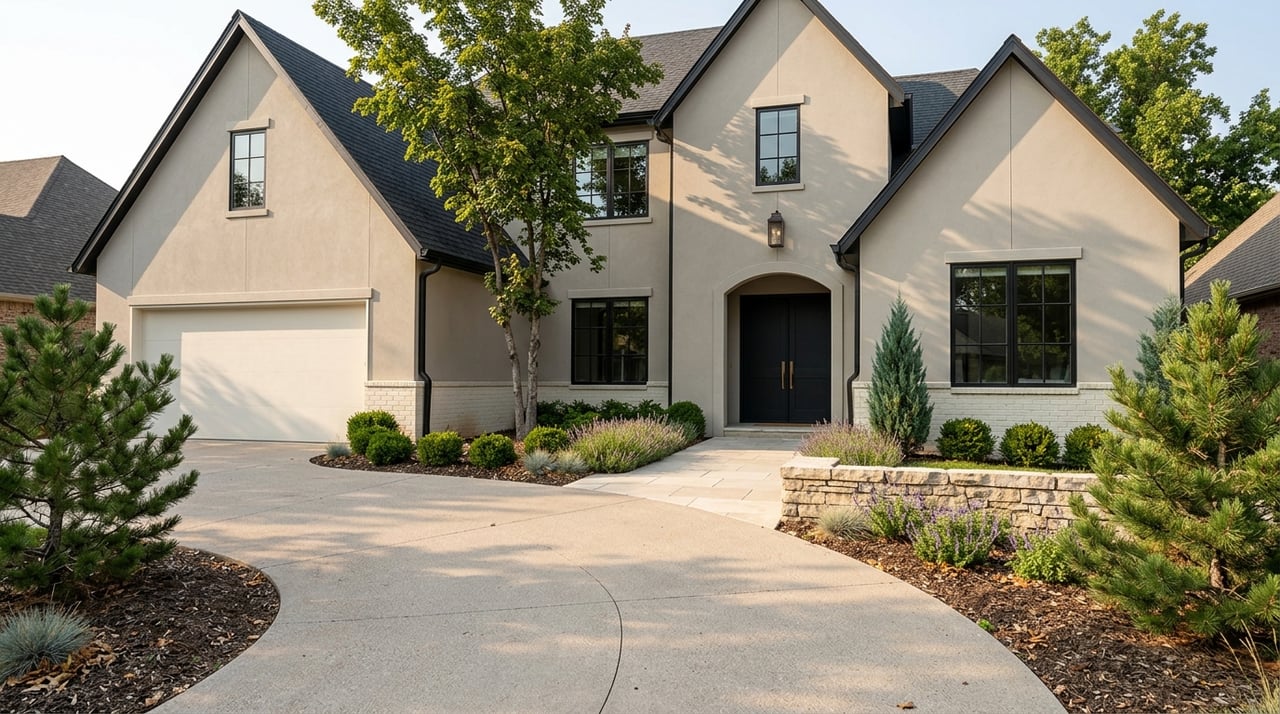
The housing stock in Draper’s foothill neighborhoods often feels tied to the terrain. A representative east-bench example is SunCrest, which its HOA describes as a 3,900-acre master-planned community of canyons, trails, and homes high on Draper’s east bench, with access from Traverse Ridge Road and SunCrest Drive. That description helps capture the scale and setting many buyers picture when they think about this part of Draper.
At the same time, foothill housing is not one-size-fits-all. A Draper planning notice for a SunCrest-area concept plan described townhomes on one portion of the site and single-family homes on the rest. That mix shows you may find both detached homes and townhouse pockets, rather than one uniform pattern throughout the foothills.
HOA Structure Can Be a Big Part of Life
In many of these neighborhoods, HOA involvement is more noticeable than in flatter subdivisions. SunCrest provides access to amenities such as a community center, pool, hot tubs, fitness facility, and tennis and basketball courts. That can add convenience and lifestyle value for residents who want shared amenities close to home.
It also means neighborhood rules may carry more weight in daily decision-making. SunCrest’s design guidelines require review before exterior changes or landscaping projects. If you are considering a foothill property, it is wise to look closely at design standards, maintenance expectations, and approval processes before you buy.
Boundaries Require Attention
Homes near trails or open space often come with a little more responsibility. Draper’s encroachment guidance tells homeowners to keep landscaping, fences, and other improvements on their own property when city land or trails are nearby. That matters because lot lines may feel less obvious when open land sits just beyond the backyard.
For buyers and owners, this is one of the practical realities worth understanding early. A home may offer a strong connection to open space, but that does not automatically mean adjacent land can be used as an extension of the yard.
The Trade-Offs Are Real
The appeal of Draper’s foothill neighborhoods is easy to understand. You gain trail access, mountain views, open-space surroundings, and a strong sense of place. For many buyers, those benefits are worth a great deal.
Still, foothill living usually comes with extra logistics. Winter conditions matter more on the bench, and city services vary by road type. Draper’s snow-removal policy prioritizes hills and main roads first, then subdivision streets and cul-de-sacs, and the city notes that private lanes are not plowed by Draper City.
SunCrest’s FAQ also directs residents to either the city or the association depending on the road type. That is an important reminder that in hill communities, understanding who handles what can make winter much smoother. If you are comparing neighborhoods, it helps to ask detailed questions about road maintenance, access, and seasonal routines.
Who These Neighborhoods Fit Best
Draper’s foothill neighborhoods tend to work best for buyers who value setting as much as square footage. If you want quick trail access, preserved open space, and a stronger connection to the mountain landscape, these communities may feel like a natural fit. They can be especially appealing if you want a home that supports an active routine without giving up access to the broader Salt Lake Valley.
They are also a smart option for buyers who are comfortable with a little more structure. HOA oversight, design-review standards, winter planning, and property-boundary awareness are all part of the package in many foothill communities. For the right buyer, those are manageable trade-offs that help protect the character of the neighborhood.
If you are weighing homes in Draper’s bench areas, the most important step is to look beyond the view alone. You want to understand how the neighborhood works day to day, how the roads and amenities are managed, and how the setting will shape your routine over time. That is where experienced local guidance becomes especially valuable.
Whether you are buying a foothill home or preparing one for sale, the right strategy starts with a clear understanding of lifestyle, presentation, and market fit. The Secrist Team brings deep Utah foothill market knowledge, polished guidance, and the kind of thoughtful insight that helps you move forward with confidence.
FAQs
What is everyday life like in Draper’s foothill neighborhoods?
- Everyday life often blends suburban convenience with easy access to trails, parks, and open space, so outdoor recreation can become part of a normal weekday routine.
How many trails and parks does Draper have?
- Draper says it maintains 117 miles of scenic trails, 5,000 acres of open space, and more than 42 parks.
Are Draper foothill neighborhoods convenient for shopping and errands?
- Yes. Many businesses are a short drive away, and areas like Draper Peaks near I-15 provide a practical shopping and dining hub for many residents.
Do Draper foothill neighborhoods have HOA rules?
- Many do. In communities such as SunCrest, HOA oversight can include amenity access, design-review requirements, and landscaping or exterior-change standards.
What winter issues should buyers expect in Draper’s foothill areas?
- Buyers should pay attention to road type, snow-removal responsibilities, and access during winter, since the city prioritizes hills and main roads first and does not plow private lanes.
Are homes in Draper’s foothill neighborhoods only single-family homes?
- No. Planning materials for the SunCrest area show that some foothill neighborhoods can include both single-family homes and townhome sections.