Wondering why some Sandy listings feel instantly memorable while others blend into the scroll? In a market where many buyers first experience your home online, presentation can shape everything from first impressions to showing activity. The good news is that effective staging does not have to mean a full redesign. With the right priorities, you can help your Sandy home look more spacious, more polished, and easier for buyers to picture as their own. Let’s dive in.
Why staging matters in Sandy
Sandy is a largely owner-occupied market, with a 75.2% owner-occupied rate, 33,568 households, and a median owner-occupied home value of $614,100. The city also has an average household size of 2.80 and 26.4% of residents under 18, which points to a market where practical layout, storage, and everyday livability often matter to buyers.
That local context makes staging especially useful. When your home feels organized, bright, and move-in ready, buyers can focus on the space itself instead of distractions. Strong staging also supports better listing photos, which matters in a city where household computer and broadband access are very high and buyers are likely to spend time reviewing homes online before they ever book a showing.
National staging data also reinforces the value of preparation. In 2025, 83% of buyers’ agents said staging made it easier for buyers to visualize a future home, 49% said staging reduced time on market, and 29% of sellers’ agents reported that staging increased the dollar value offered by 1% to 10%.
Start with the rooms buyers notice most
If you want the biggest impact first, focus on the spaces buyers tend to care about most. According to the 2025 Profile of Home Staging, the living room, primary bedroom, and kitchen ranked highest in buyer importance.
That does not mean every other room should be ignored. It does mean your time, energy, and budget should go first to the rooms that shape the overall impression of the home.
Living room
Your living room often sets the emotional tone for the entire showing. Buyers want to understand how the space works, where furniture fits, and whether the room feels open enough for everyday use.
Remove extra chairs, oversized sectionals, or bulky accent pieces that crowd the floor plan. A simpler arrangement with clear walkways usually makes the room feel larger and more welcoming.
Primary bedroom
The primary bedroom should feel restful and uncluttered. Fresh bedding, coordinated pillows, and cleared nightstands can go a long way without making the room look overly styled.
If the bedroom currently doubles as an office, gym, or storage area, try to restore its main purpose before listing. Buyers respond best when a room’s function is obvious at a glance.
Kitchen
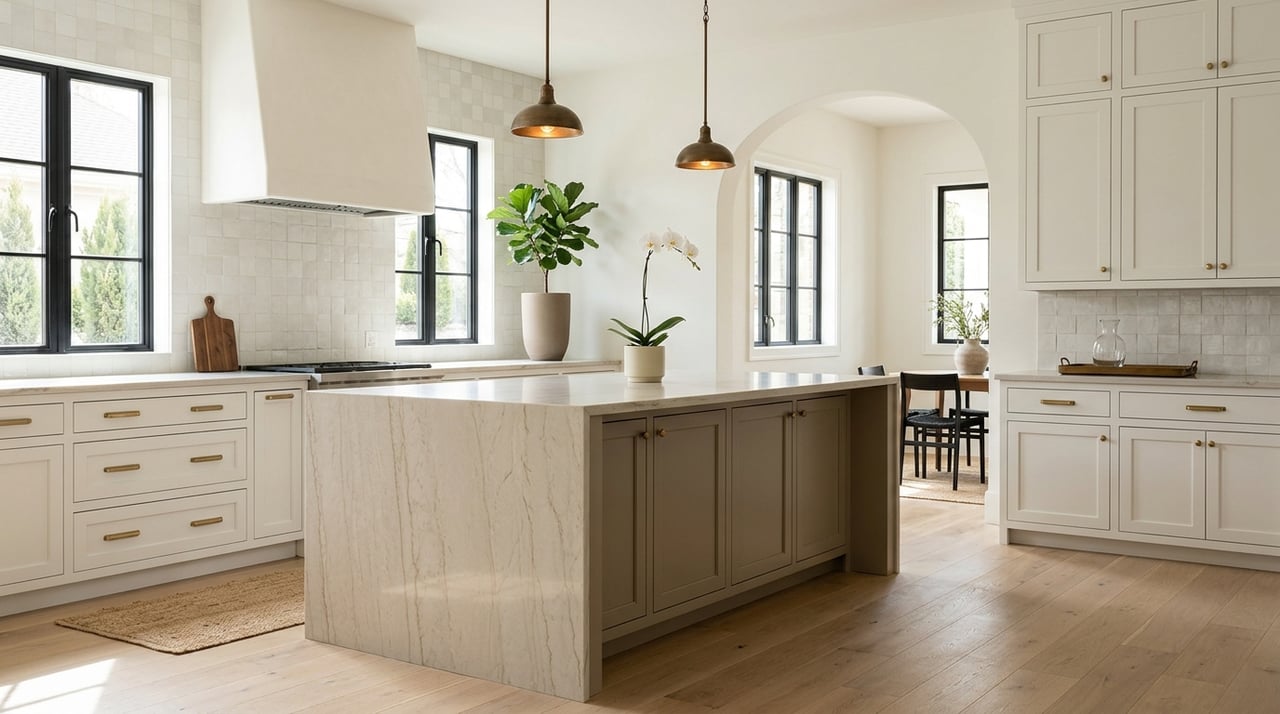
In the kitchen, clean surfaces matter more than decorative extras. Clear most countertop items, store away small appliances, and leave only a few intentional pieces if needed.
This helps buyers notice workspace, cabinetry, and natural light instead of daily clutter. A kitchen that feels calm and clean also tends to photograph better.
Declutter to create visual space
One of the simplest staging steps is also one of the most important. Decluttering helps buyers see the home, not your belongings.
The goal is not to erase all personality. The goal is to remove enough visual noise that rooms feel larger, cleaner, and easier to understand.
What to pack away first
Start with items that make the home feel crowded or highly personal:
- Family photos and personal collections
- Papers, mail, and visible cords
- Extra countertop items
- Toys, pet gear, and miscellaneous bins
- Oversized furniture that blocks pathways
- Seasonal decor that takes over a room
NAR’s consumer guidance also recommends keeping closets about half full rather than tightly packed. That can make storage feel more generous, which is an important selling point for many Sandy buyers.
Depersonalize without making it cold
Buyers should be able to imagine living in the home themselves. That becomes harder when decor is too specific, too themed, or centered on the current owner’s life.
You do not need to strip everything out. Instead, aim for a neutral, cared-for look with selective accessories and a balanced color palette.
Keep colors and decor simple
Neutral paint colors such as beige, gray, or soft white can help rooms feel brighter and more versatile. If your walls are very bold or highly specific in style, toning them down may help the home appeal to a broader range of buyers.
Use decor sparingly. A few fresh towels, well-made beds, and restrained accents can communicate care without making the space feel staged beyond recognition.
Improve furniture placement and flow
Staging is not just about what you remove. It is also about how each room guides the eye and supports movement.
NAR’s consumer guidance emphasizes traffic flow and ease of navigation. In practice, that means buyers should be able to move naturally through the home without squeezing around furniture or guessing how a room is meant to function.
Simple layout fixes
Try these adjustments before photos and showings:
- Pull furniture away from blocked walkways
- Remove side tables or chairs that add crowding
- Use one clear focal point in the room
- Right-size dining tables and sectionals when possible
- Define awkward corners with a simple, useful purpose
In open-plan Sandy homes, these changes can make large spaces feel intentional instead of empty or uneven. In older homes, they can help smaller rooms feel more efficient and less confined.
Match the staging to the home’s style
Sandy includes a wide range of housing styles, from older homes in Historic Sandy to newer subdivision and luxury properties built in later growth periods. Your staging should support the architecture, not compete with it.
That is especially important if your home has original details or a strong sense of character. Buyers tend to respond well when a home feels authentic and well edited.
Older Sandy homes
Historic Sandy includes homes that reflect the city’s early growth, with wood frame or brick construction and styles such as Victorian Eclectic, Craftsman-influenced bungalows, and period revival cottages. In these homes, preserve standout features rather than covering them up.
If you have original trim, a front porch, built-ins, or distinctive detailing, let those elements breathe. Avoid overfilling rooms or trying to force a fully modern look that ignores the home’s architectural identity.
Newer and larger homes
In newer subdivision homes and larger luxury properties, simplicity is often the best strategy. Clean lines, fewer accessories, and well-scaled furniture can help buyers notice ceiling height, flow, finishes, and natural light.
Large homes especially benefit from clear room purpose. If a loft, bonus room, or lower-level space feels ambiguous, light staging can help buyers understand how to use it.
Make online presentation count
Because buyers often start online, your staging should be designed for both in-person showings and photography. A home that feels fine in person can still look dark, crowded, or flat in photos if preparation is incomplete.
That makes light one of your most valuable staging tools. Open window coverings, turn on lamps where needed, and make sure each room feels evenly lit.
Before photos are taken
Use this short checklist:
- Open blinds or curtains to bring in natural light
- Replace dim or mismatched bulbs
- Clear surfaces that catch visual clutter in photos
- Straighten bedding, rugs, and pillows
- Hide trash cans, cords, and cleaning items
- Check that each room looks bright from the doorway
Even simple changes can improve how your listing appears in photos, video, and virtual tours.
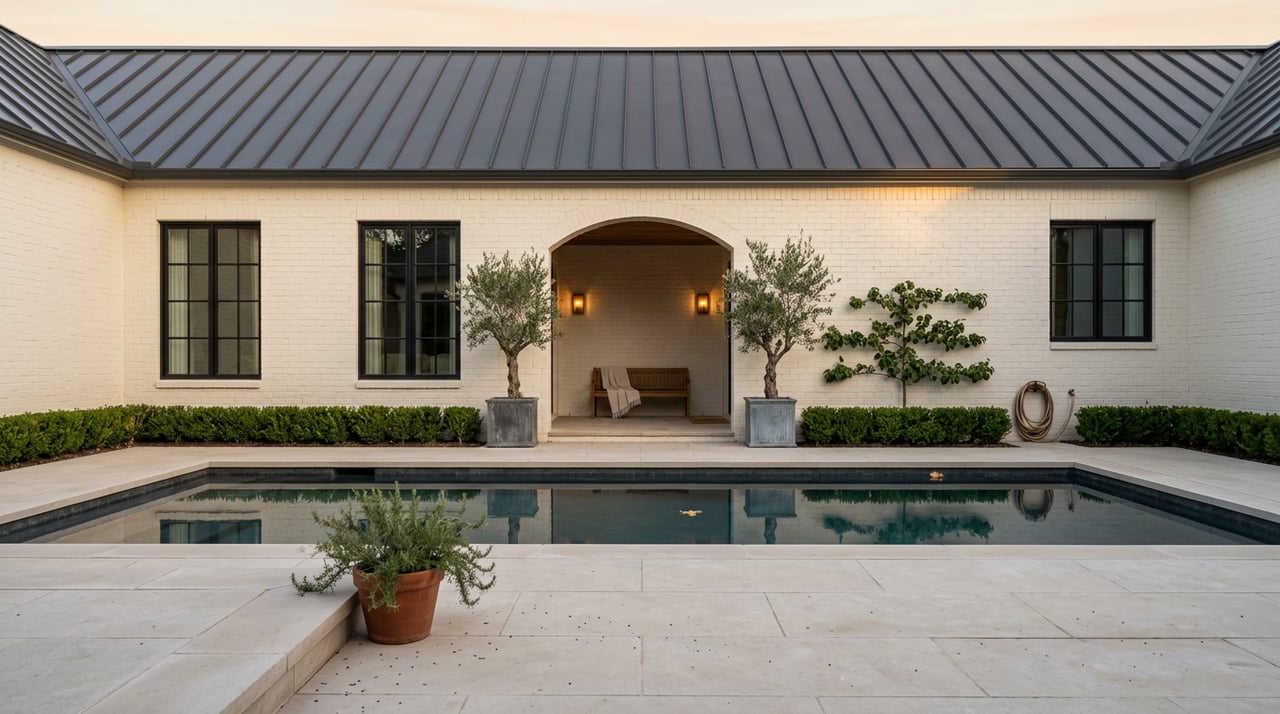
Do not overlook curb appeal
First impressions start before a buyer enters the front door. In Sandy, exterior upkeep matters, and the city’s long-running beautification tradition reflects the pride many residents take in their homes, yards, and streetscapes.
NAR’s outdoor-features research found that 97% of REALTORS® said curb appeal is important to attracting a buyer, and 98% said it is important to buyers. That makes exterior staging more than a finishing touch.
Easy curb appeal wins
Before your home hits the market, focus on the basics:
- Trim bushes and tidy planting beds
- Clear away toys, tools, and yard clutter
- Clean windows and the front entry
- Polish or refresh house numbers
- Add a clean doormat
- Use simple potted plants at the entry if appropriate
- Check outdoor lighting
If you are listing in winter, make sure the path to the front door looks safe and maintained. In Sandy, snow removal and a cared-for exterior can shape a buyer’s impression right away.
Treat outdoor living as real living space
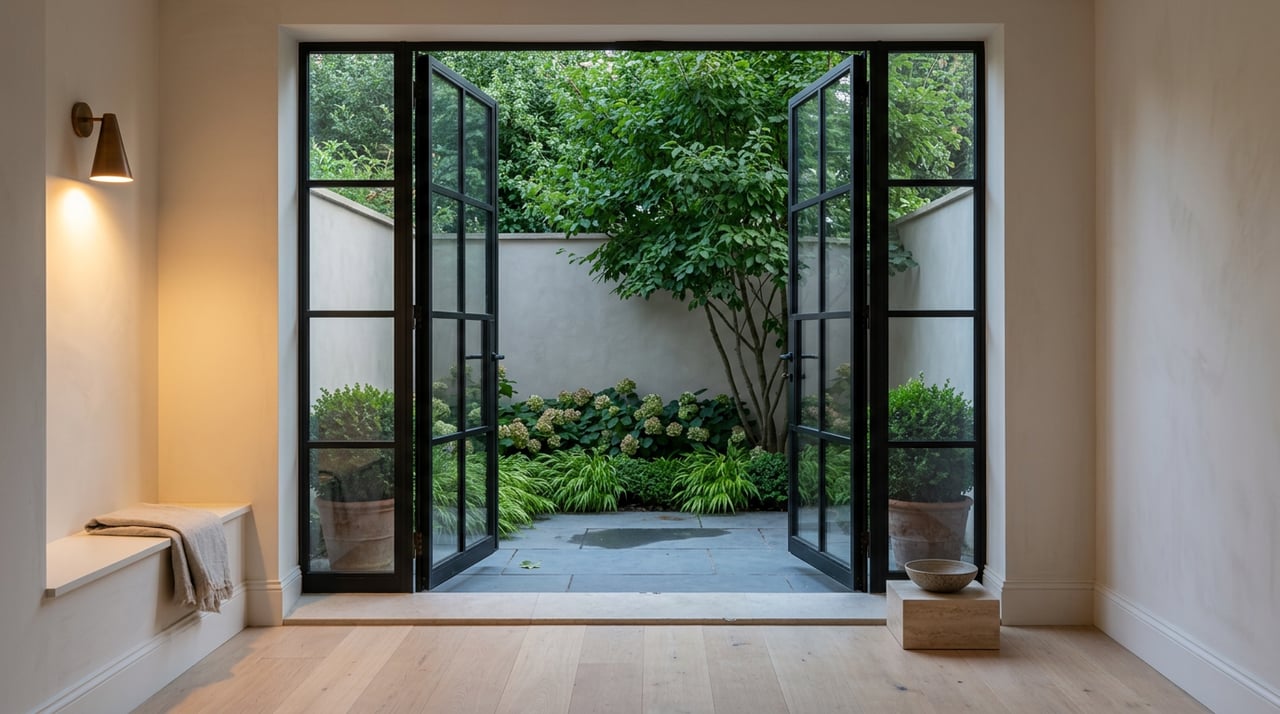
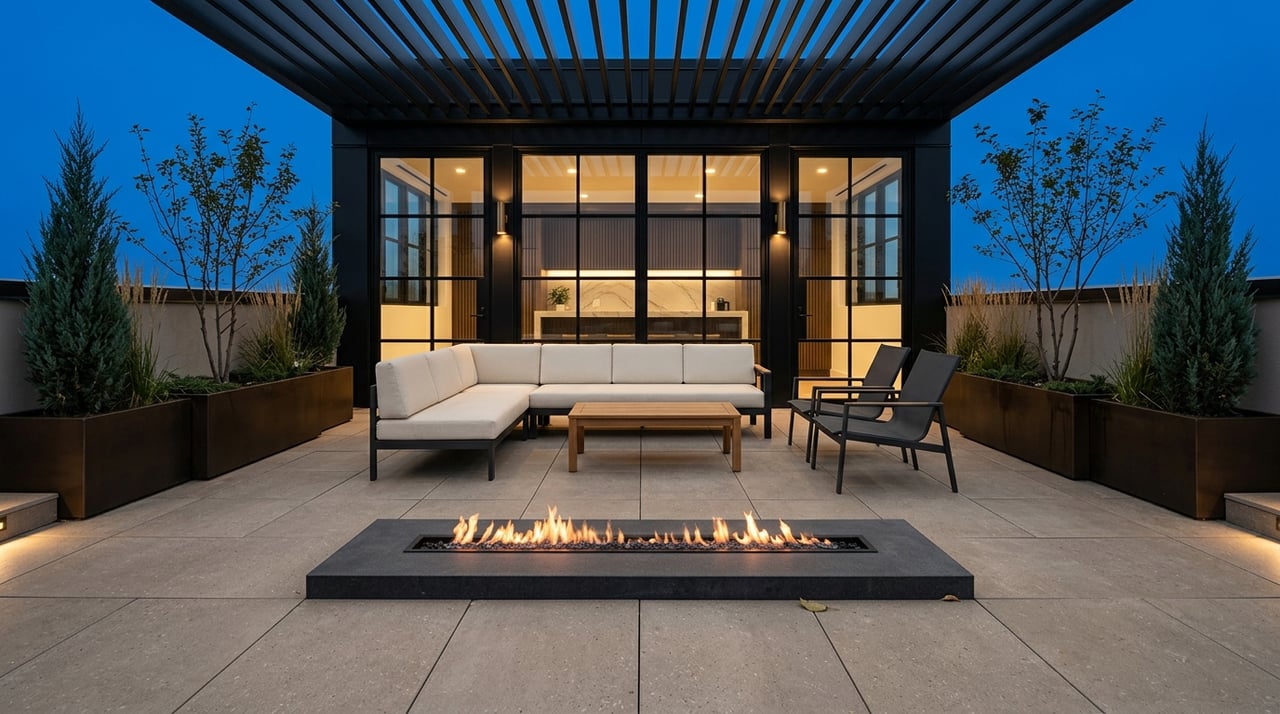
In a city known for outdoor access and views near the Wasatch Mountains, patios, decks, and back yards can add meaningful appeal. Buyers may see these spaces as part of the home’s lifestyle, not just extra square footage outside.
That means outdoor areas should feel intentional. A swept patio, neatly arranged seating, and a clean view line can help buyers picture how they would use the space.
Outdoor staging ideas
Keep it simple and functional:
- Group outdoor furniture to show conversation space
- Remove broken planters or worn accessories
- Sweep decks, patios, and porches
- Store hoses and tools out of sight
- Highlight mountain-facing or yard views where possible
You do not need a full outdoor makeover. You just want the space to feel maintained and ready to enjoy.
Decide how much staging you really need
Not every Sandy listing needs full-service staging. Some homes benefit most from a focused consultation, while others need more hands-on support.
NAR’s consumer guidance notes that staging can be done in person, through consultation, or virtually. The 2025 report found a median spend of $1,500 when a staging service was used, compared with $500 when the seller’s agent personally staged the home.
When lighter staging may be enough
A consultation or partial staging may be enough if:
- Your home is occupied and already in good condition
- Most rooms have appropriate furniture
- The home mainly needs editing, layout changes, and styling guidance
- You want to improve photos without fully furnishing empty rooms
When more staging may help
You may need a stronger staging plan if:
- The home is vacant
- Rooms feel oversized or hard to interpret
- The property is competing in a presentation-driven price range
- The layout or architecture needs help telling a clearer story
This is where experienced advice can make a real difference. A thoughtful staging strategy should fit the home, the likely buyer, and the level of competition in your price point.
Staging is about clarity, not perfection
The best staging does not try to turn your home into something it is not. It simply helps buyers see the space, the function, and the care behind it.
In Sandy, that often means a clean entry, strong living spaces, a calm primary bedroom, a simplified kitchen, and exterior presentation that feels maintained in every season. When those pieces come together, your home has a better chance to stand out both online and in person.
If you are preparing to sell and want thoughtful guidance on presentation, pricing, and market strategy, the Secrist Team can help you create a plan that fits your home and your goals.
FAQs
What rooms should sellers stage first in a Sandy home?
- Start with the living room, primary bedroom, and kitchen, since these were identified as the most important rooms to buyers in the 2025 Profile of Home Staging.
What does staging a home in Sandy usually involve?
- Staging usually focuses on decluttering, depersonalizing, improving furniture placement, brightening the home for photos, and cleaning up exterior spaces rather than major remodeling.
Do historic Sandy homes need different staging than newer homes?
- Yes. Older homes in Historic Sandy usually benefit from staging that preserves original character, while newer or larger homes often benefit from simpler styling that highlights scale, flow, and finishes.
Is professional staging always necessary for a Sandy home sale?
- No. Some homes only need a consultation or partial staging, while vacant, unusually large, or highly competitive listings may benefit from more extensive staging support.
Why is curb appeal important when selling a home in Sandy?
- Curb appeal shapes the first impression, and it is especially relevant in Sandy where home upkeep and landscaping are closely tied to community pride and where buyers may notice the exterior before they ever enter the home.