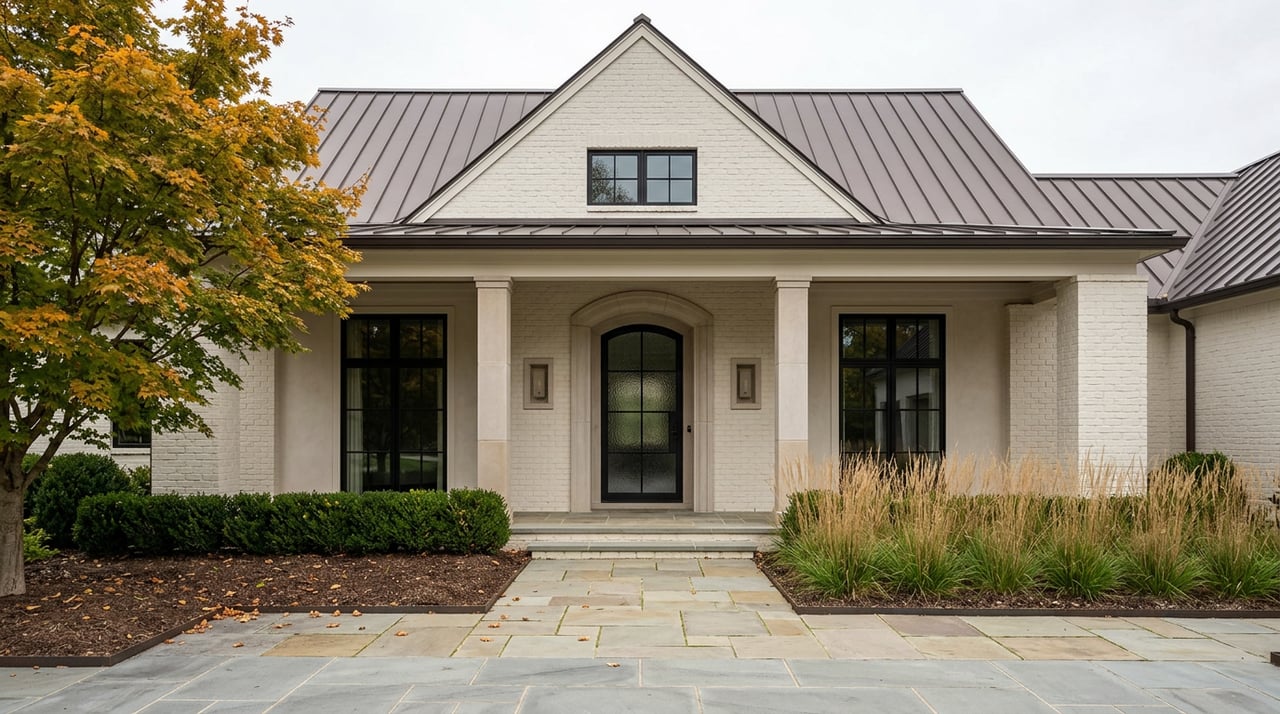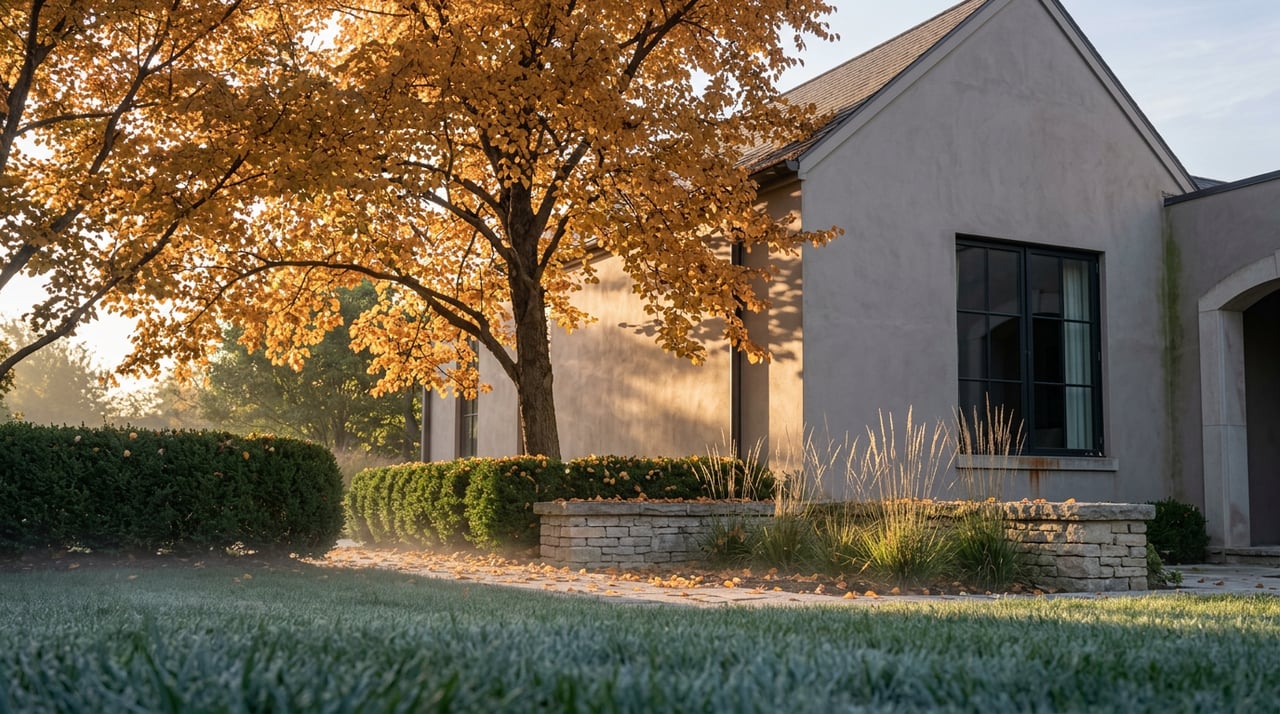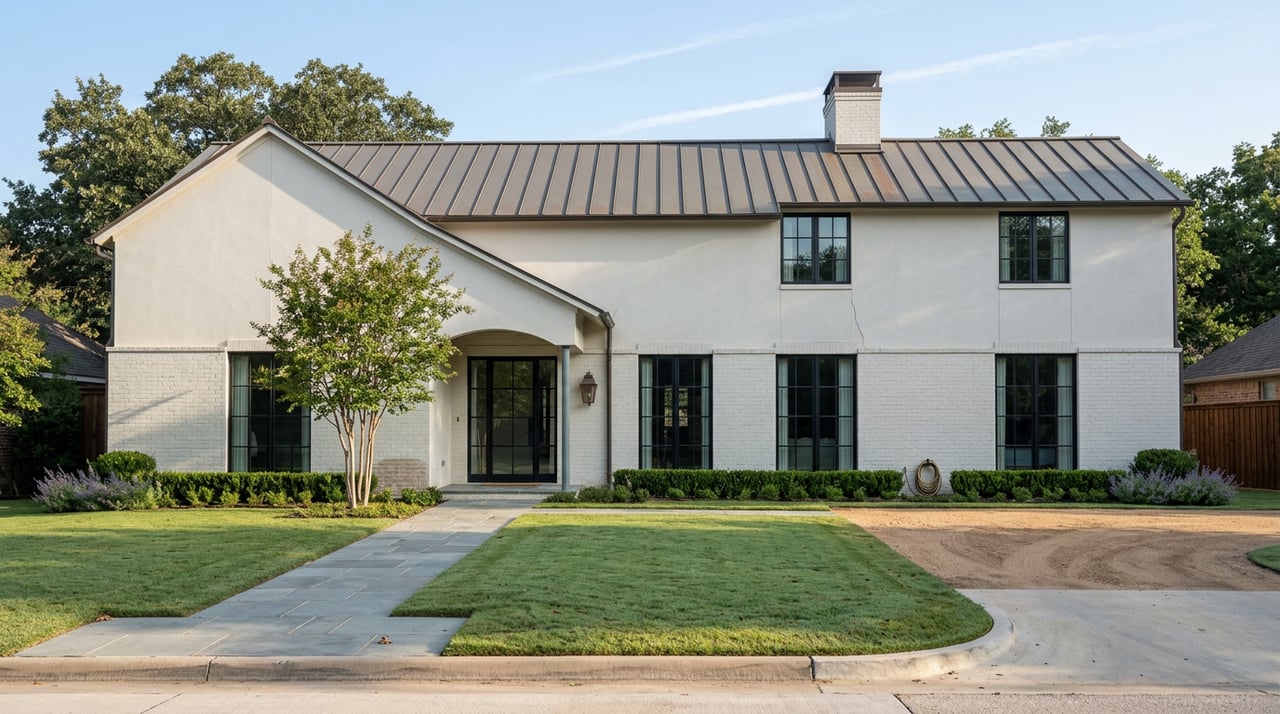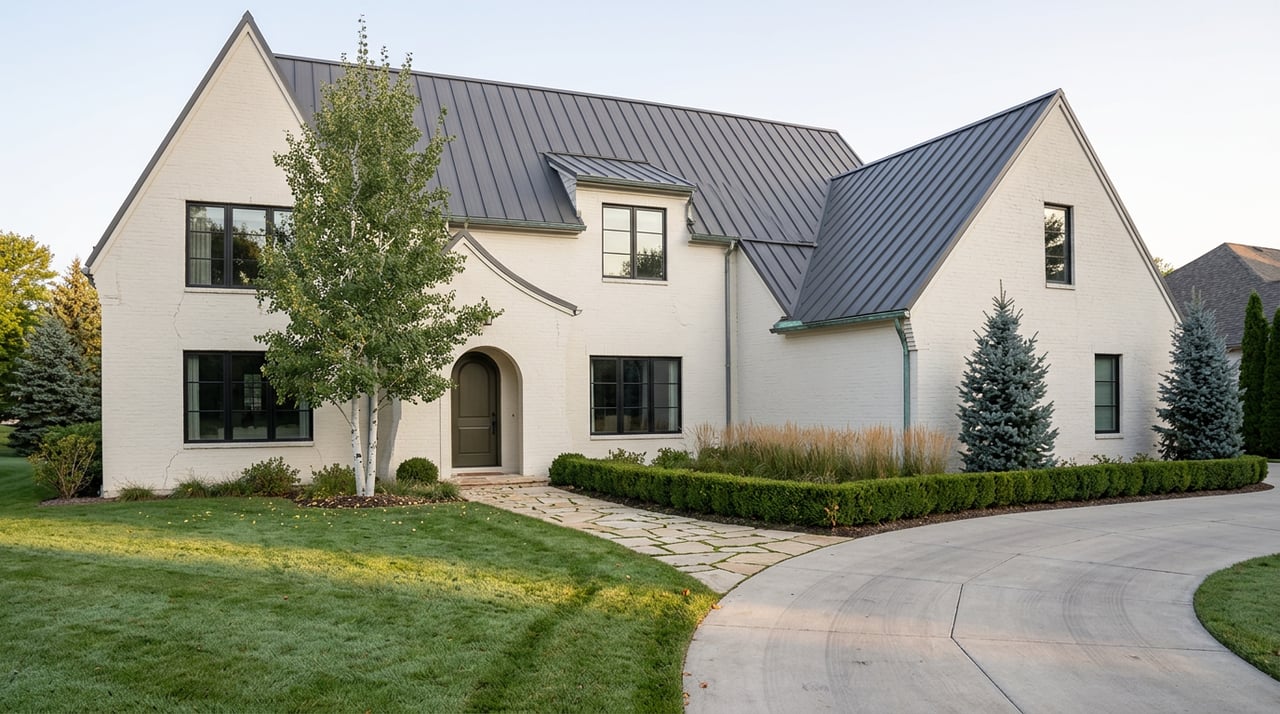
A Holladay listing photographs beautifully. Mature trees arch over the driveway, the lawn has decades of established root systems, and the rambler or ranch sitting behind it all reads as settled, permanent, exactly the kind of home a buyer pictures staying in for the next thirty years. Then the inspection comes back, and three findings appear in roughly the same order they always do: aging supply lines, an elevated radon reading, and a sewer line with root intrusion. This isn't bad luck distributed randomly across a few unlucky sellers. It's the direct, predictable output of when Holladay was actually built, and understanding that mechanism is the difference between a seller who negotiates from strength and one who gets surprised eight days before closing.
The city's age is the whole story
Holladay's identity as the East Bench's premium, established pocket isn't just marketing language. The city's housing stock genuinely skews older, larger, and more architecturally distinctive than its immediate neighbors, and that reputation is built on a specific building era. Local plumbing contractors who work exclusively in the area describe close to half of Holladay's homes as dating to the 1940s through 1960s, with most of the remainder filling in during the 1970s and 1980s. That means a large share of the housing stock is now 60 to 70 years old, carrying original copper or galvanized supply lines that have moved Wasatch mountain water, hard water heavy with mineral content, for six or seven decades without interruption.
That single fact, more than square footage or lot size, is what separates a Holladay inspection from one in a newer subdivision in Draper or South Jordan. It isn't a coincidence that the same three systems keep failing. It's a function of decade.
The three findings, and why they cluster here specifically
Aging supply lines and shortened water heater life. Galvanized steel pipe was standard in homes built before 1960, and it corrodes from the inside over time, producing the rust-tinted water and pressure drop that show up as a checklist item on almost every pre-1960 Holladay inspection. The mineral load in Holladay's water, drawn from Wasatch sources and Salt Lake Valley wells, accelerates this wear. Contractors serving the area report that water heaters in Holladay typically last 8 to 10 years rather than the 12 to 15 year national average, a gap that comes directly from local water hardness rather than any defect in the units themselves.
Radon, because Salt Lake County sits in the EPA's highest-risk zone. Salt Lake County is classified as EPA Radon Zone 1, the agency's highest predicted-average category, and radon testing has become a routine part of nearly every Holladay home sale, with many lenders requiring it before closing. The county's long-term test average sits at 2.9 picocuries per liter, close to the statewide average of 3.2, both technically under the EPA's 4.0 action level. That average is a county-wide figure, though, not a guarantee for any individual house, and foundation type and soil conditions swing the actual reading in either direction. A rambler in the neighborhoods around Knudsen's Corner near the Old Mill golf course can test very differently than a home near the newer construction around the former Cottonwood Mall site, even though both carry the same county-level statistic on a listing sheet.
Sewer laterals compromised by mature street trees. The same tree canopy that makes Holladay's streets photograph well is also the reason root intrusion shows up so often on sewer scopes here. Aging sewer mains from the 1950s and 60s are reaching the end of their design life at the same time that decades-old root systems have had ample time to find every joint and crack in clay or cast iron pipe. Local leak detection crews report that invasive tree roots frequently crush or clog aging sewer and water lines in Holladay specifically, and the same proximity to the mountains that gives the city its setting also means wet basements here are just as often caused by groundwater hydrostatic pressure as by a broken pipe, a distinction that changes whether the fix is a repiped line or a French drain system.
Here's the piece of conventional wisdom that doesn't actually hold for Holladay: homeowners across Utah worry about polybutylene, the gray plastic pipe installed between 1978 and the mid-1990s that has a well-documented history of sudden failure. But Holladay's building boom mostly predates that window. The dominant risk in the city's core neighborhoods isn't polybutylene. It's older and more mundane: galvanized steel and original copper, plus the cast iron and clay sewer lines from the same era. Polybutylene becomes a live concern mainly in the additions, remodels, and later infill built during Holladay's 1970s and 80s growth phase, not in the ranch homes that define the city's character.
What a Holladay inspection actually costs to run down
| Finding | What triggers it | Typical specialist cost | What a bad result costs to fix |
|---|---|---|---|
| Aging supply lines | Pre-1960 galvanized or original copper, hard water wear | Plumber assessment, $150-350 | Repiping, several thousand dollars depending on access |
| Elevated radon | EPA Zone 1 county, foundation type, soil conditions | Short-term test, $150-200, 48-hour minimum | Sub-slab mitigation system, typically installed in a single day |
| Sewer lateral root intrusion | Mature street trees, aging clay or cast iron mains | Sewer scope, $175-275 | Root intrusion or belly sag repair, $4,000-12,000 |
Utah currently has no state-issued home inspector license requirement, which makes the specialist follow-up step even more important than in states with more standardized inspection credentials. A general inspector will flag symptoms. A licensed plumber, a certified radon mitigation contractor, or a sewer-scope technician diagnoses the actual cause and produces a written estimate either side can use in negotiation.
What Utah's disclosure form actually requires you to say
Utah's Seller's Property Condition Disclosure form asks directly whether there are hazardous conditions on the property such as radon gas, and the seller has to check one of three boxes: Yes, No, or Do Not Know. The Utah Department of Environmental Quality's guidance for real estate transactions is explicit that this answer must be correct to the seller's current actual knowledge, and that any material change has to be disclosed before closing. The form also asks about water and moisture damage history, past plumbing leaks, sewer backups, and any repair or replacement of the main water line, along with who did the work and when.
None of this requires a seller to test anything before listing. Utah law only obligates disclosure of what a seller actually knows. But that's exactly why the sellers who come out ahead in Holladay are the ones who test anyway. A pre-listing radon test and sewer scope turn "Do Not Know" into a specific, documented answer, and a documented answer is worth more in negotiation than a surprise a buyer's inspector finds on day nine of a fifteen-day contract window. As of August 2026, Holladay homes that closed were selling at a median of $733,700, going to contract in a median of just 15 days at 98.5 percent of final list price. That kind of pace leaves very little room to absorb a mid-escrow radon retest or an unplanned sewer repair negotiation. Sellers who front-load the testing keep control of that timeline instead of losing days to it.
The practical sequence
- Order a sewer scope and a short-term radon test before the home goes live, not after an offer is in hand.
- If either comes back elevated, get a written estimate from a licensed specialist, whether that's a plumber scoping a galvanized line replacement or a certified radon contractor pricing a sub-slab depressurization system.
- Fill out the disclosure form with the actual test results in hand rather than checking "Do Not Know" and hoping the buyer's inspector finds something different.
- Price the home, or negotiate repairs, based on real numbers instead of an assumption about what a 1960s rambler probably needs.
Holladay's age is what makes it Holladay. The mature trees, the established lots, the sense that a house has already stood for two generations, all of that comes from the same building era that also produces a predictable set of findings on the way to closing. Sellers who understand the mechanism ahead of time aren't surprised by it. They price around it, document it, and keep the negotiation on their terms.
If you're weighing a sale in Holladay and want a clear read on what your specific property's age and condition mean for pricing and timeline, the Secrist Team has spent decades working exactly this kind of Wasatch Front transaction. Get a Free Home Valuation and find out what your home's story actually is before a buyer's inspector tells you.