If your home has an open-concept design—characterized by a lack of walls among various rooms, such as the kitchen, living room and dining room—then you’re well aware of its many advantages, such as enhanced traffic flow, an abundance of natural light and a feeling of expanded spaciousness.
Recently, national homebuilder Century Communities teamed up with Feng Shui expert and architect Cliff Tan to discuss how the ancient design practice can enhance harmony, balance and even prosperity in an open concept design. Consider the following tips to help add positive energy to your home:
Create a positive first impression.
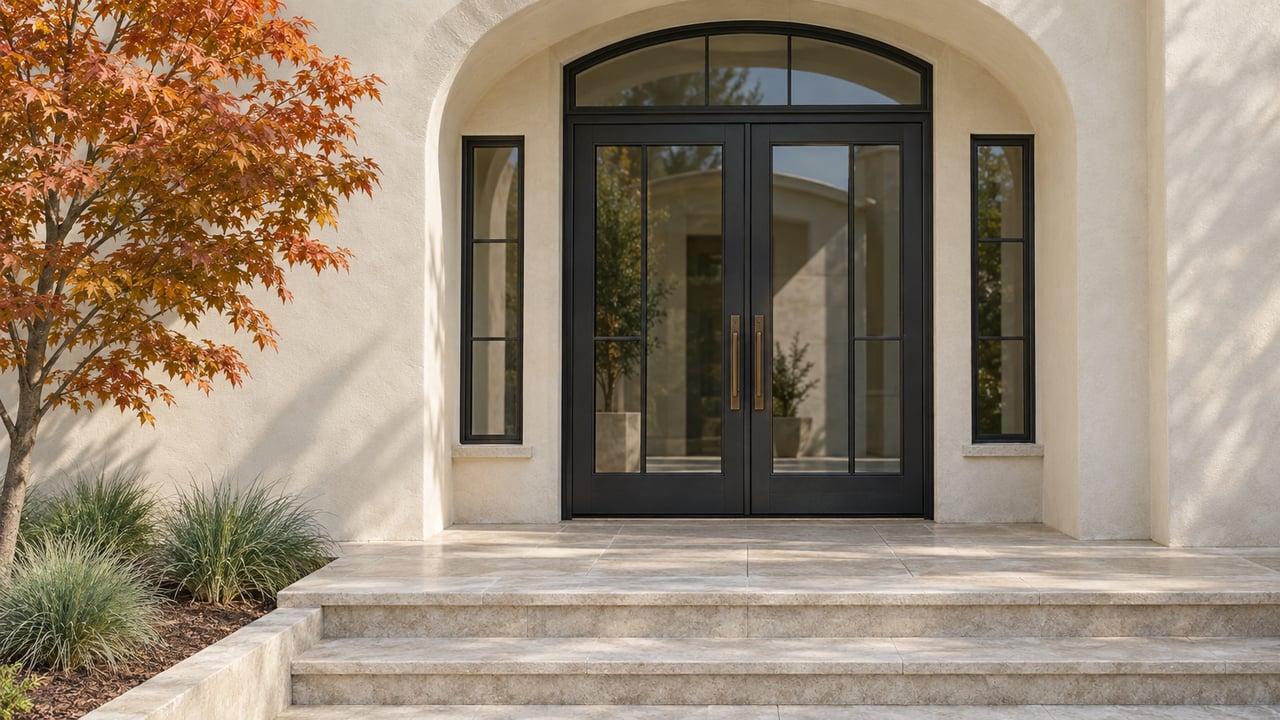
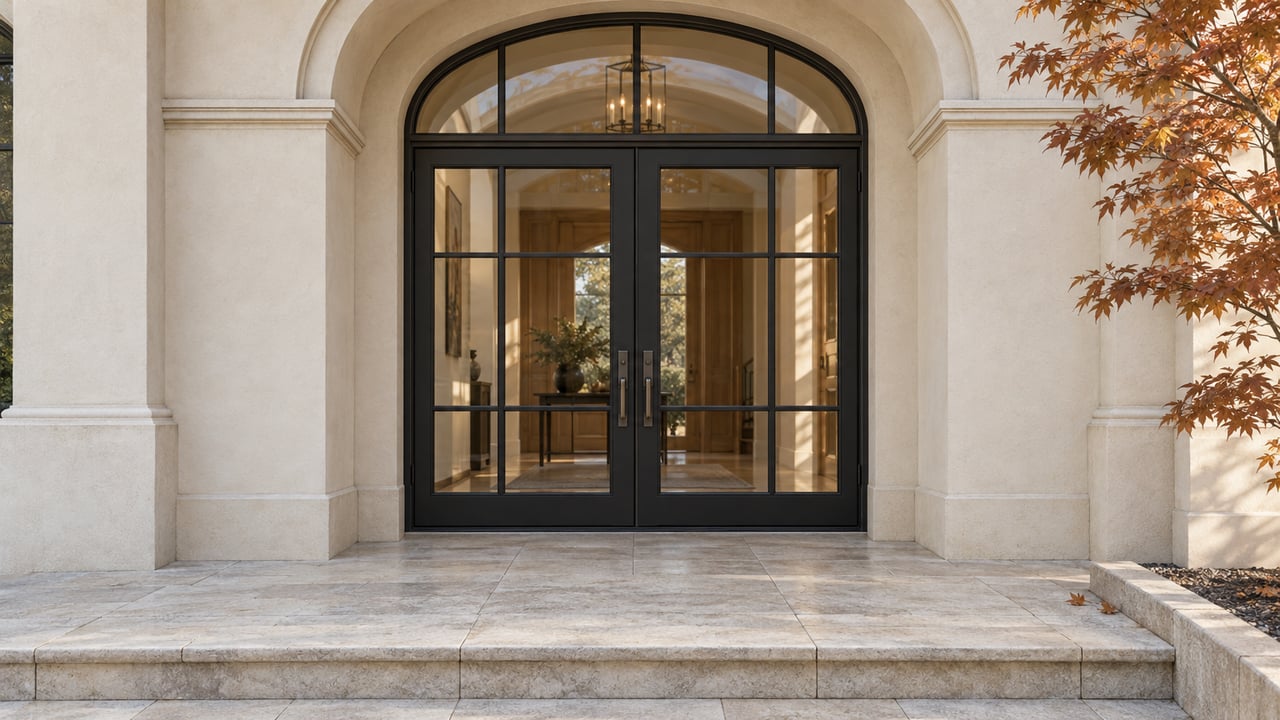
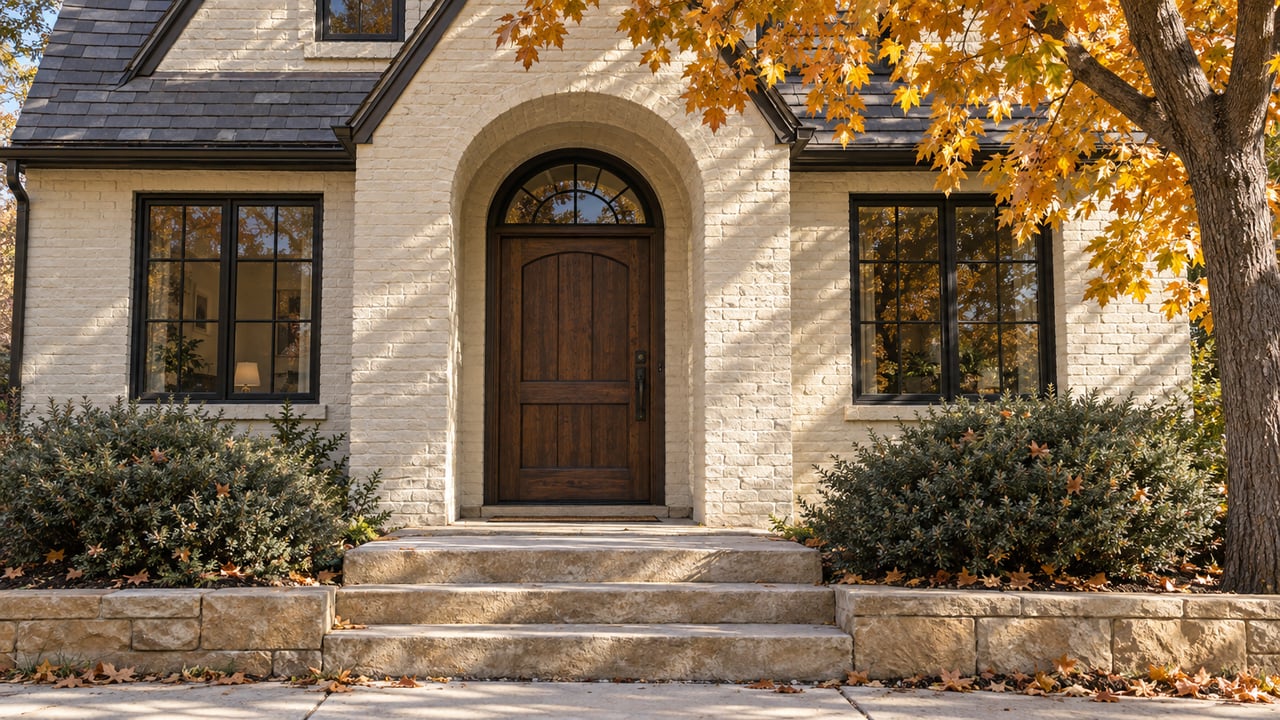
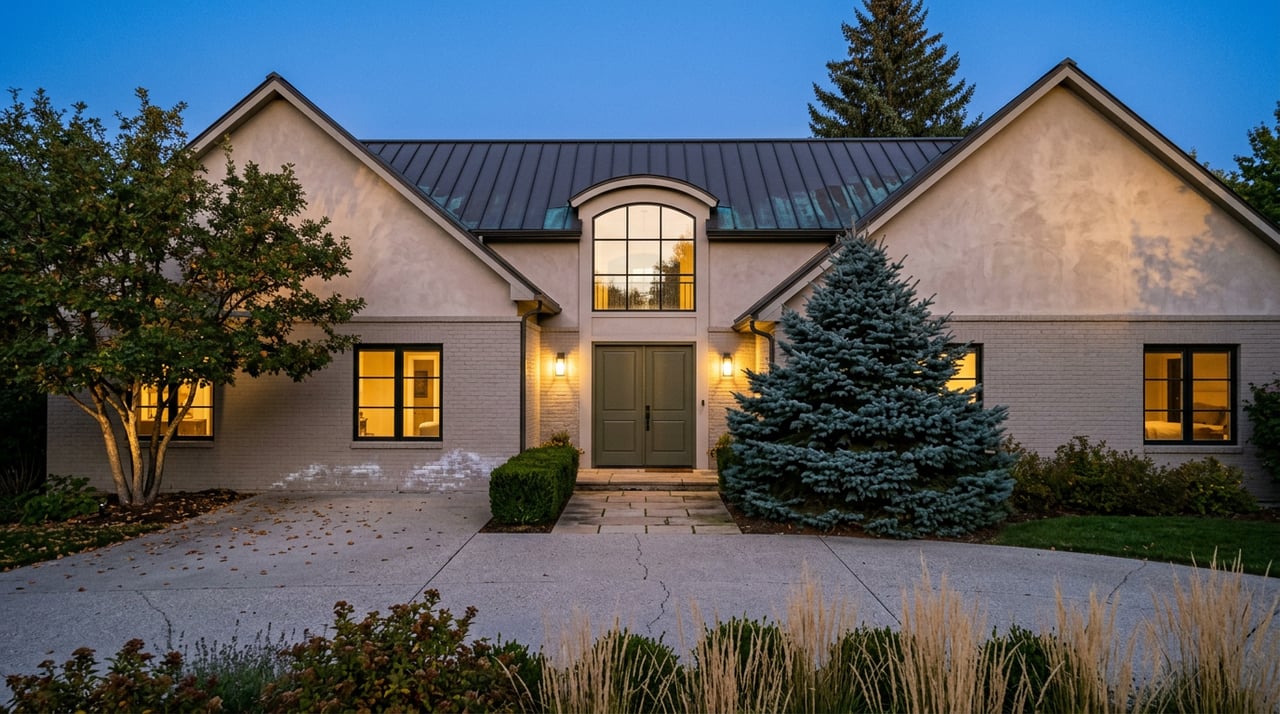
According to Tan, the front door is where energy enters the home, so you want to make sure the impression you create upon entering is a positive one. Turn the entryway into a zone where you can “settle in” before you or your guests enter the home. It’s all about creating good energy from the get-go.
Switch up the lighting
.A crucial source of energy in your home, lighting can be directed intentionally to guide the eye toward important areas of focus. Natural light, in particular, is a positive source of energy. Situate important zones where you’ll spend time, like your desk or couch, near windows where they can benefit from natural light. In turn, artificial light can be used to create zones, utilizing light and shadow to split spaces and define what you want the eye to focus on.
Split up your space with rugs.
Rugs are a genius way to segment spaces while adding personality, depth and character to a room. Area rugs can be placed under the dining room table, living area and even in the kitchen. They can also be used to create a sense of space: horizontal rugs make a room feel wider while vertical rugs make it feel longer.
Choose furnishings that complement your room.
Select furnishings that create openness or separation depending on how you’ll use a room. For more spacious open-concept rooms, you might want larger furnishings that feel more protective and help define zones. For smaller spaces, low-profile furniture often works better. When in doubt, Tan advises that you “choose furnishings that not only look good but make you feel good.”
Use art and patterns to guide energy.
Art and the use of patterns are a great way to guide and move energy around a room. For example, says Tan, “if you want to make someone walk toward the living room, have a piece of art that subtly directs them—almost like an arrow.”
Tan also notes that art is important for influencing how you feel in a space, and that art should be relevant to a room and its usage, such as a dining room with vibrant art to promote a healthy appetite.
Balance color throughout the home.
When it comes to a healthy color balance, Tan advises “not to focus too much on one element (i.e., one color). Try to have a healthy mix of everything.” For example, an all-beige room without greens, blues, reds—even subtle touches of black—could end up feeling like a desert.
Don’t skip the end tables.
End tables are an easy way to delineate different areas in an open-concept design—and to anchor larger pieces of furniture so that they don’t feel like they’re floating in mid-air. Different end tables can promote different aesthetics and vibes, depending on your needs and tastes. For example, if you want to soften a room’s energy, you could opt for an end table with rounded edges.
Consider your window treatments.
How you let natural light into your home can influence the energy in a room—and ultimately your mood. For example, curtains or fabric blinds could help soften light in a room and help imbue a sense of calm.
Keep spaces organized.
Keeping your open-concept home clutter-free is essential for maintaining positive energy. Ensure clear pathways in a room so that energy is not blocked or hindered. Furniture pieces like ottomans, coffee tables and end tables with built-in storage can help you stay organized—with clearly categorized items—while subtly defining different areas within your home.
Top off the room with a mirror.
Mirrors reflect and thus double the energy wherever they’re placed, so make sure they’re reflecting something attractive. For example, Tan recommends you avoid placing mirrors where they could reflect a messy kitchen. However, you could enhance positive energy by having your mirror reflect the dining room table or the pretty artwork that you’ve hung on the wall.
As Tan says, remember that there is no right or wrong when it comes to Feng Shui—it’s about finding the environment that’s right for you and enhancing it with items that are close to your heart.